
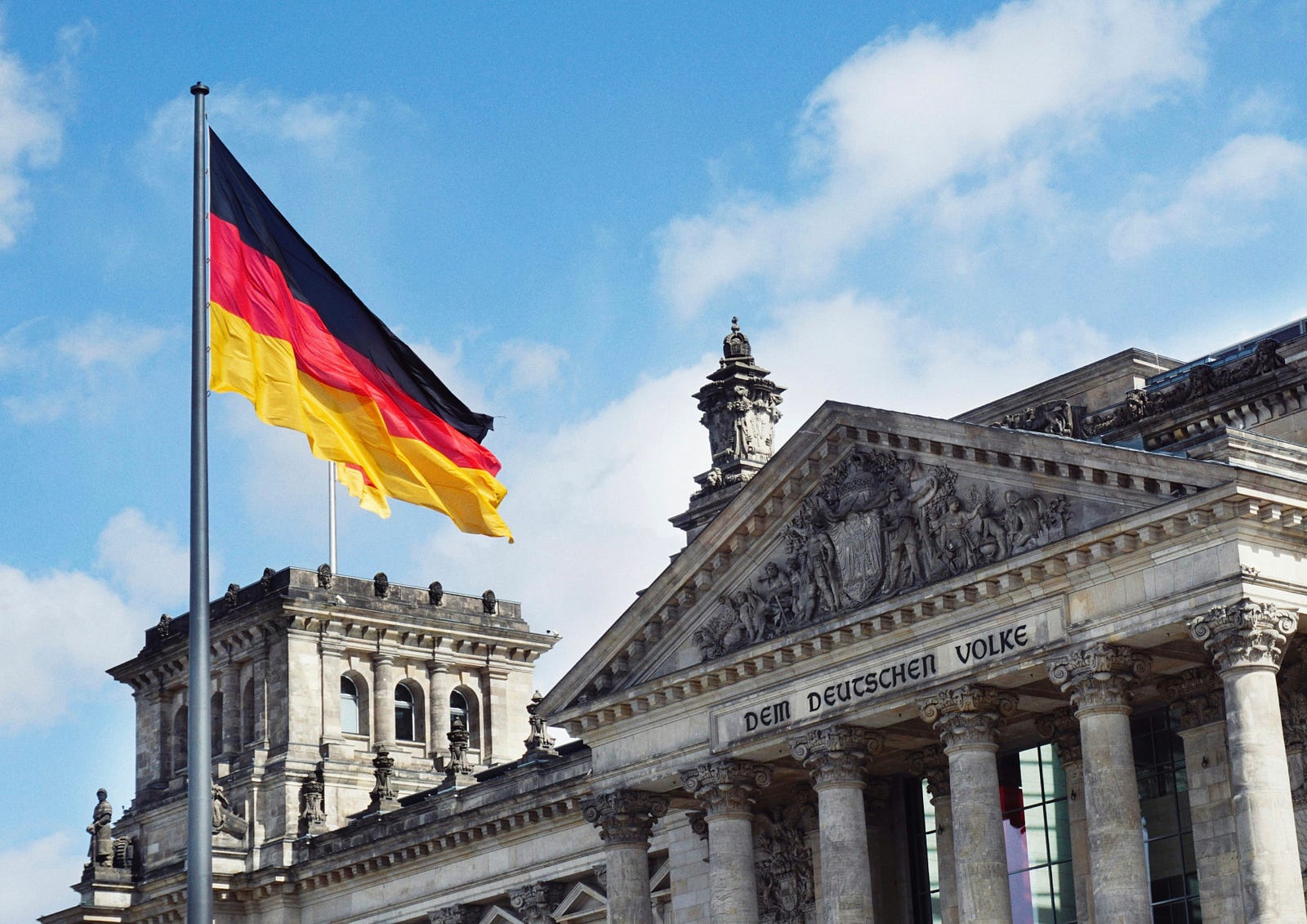
If you read online discussions about Germany, especially on Reddit, you will quickly see extreme opinions. Some say there are no jobs at all. Others say Germany is still one of the best countries for skilled workers.
Both statements are incomplete.
Germany’s job market today is selective, slow, and rule-based. Understanding this distinction matters before you commit years of your life to a degree and a move.
This article is based on a real discussion among students, graduates, and long-term residents. The goal is not to motivate or discourage, but to explain what is actually happening.
The market is slower than before

Compared to the years before 2022, hiring in Germany has slowed down.
Companies are cautious. Entry-level hiring takes longer. Many firms prefer fewer candidates with a strong match rather than many average ones. This affects graduates directly.
This slowdown is real. It is also global.
What makes Germany feel harsher is that it was never designed to reward speed. When hiring slows, the system becomes less forgiving.
Most negative experiences come from junior roles
Almost all complaints in the discussion come from people looking for their first job after graduation.
Germany currently has:
- A large number of international graduates every year
- Graduates from across the EU who do not need visas
- Experienced professionals moving for quality of life
- Fewer entry-level openings than before
A Master’s degree alone no longer differentiates you. That used to work. It does not anymore.
If you are junior, you are competing at a continental level, not a local one.
Field matters more than people admit

Many discussions fail because they treat all degrees the same.
This is incorrect.
Some fields are clearly saturated right now:
- Generic IT roles
- Business and management
- Marketing, HR, consulting
- Design and media
- Low-skill data roles
Other fields are slower but still functional:
- Core engineering
- Embedded systems
- Manufacturing
- Energy and applied research
- Healthcare
Research-focused fields such as physics, quantum technologies, scientific computing, and engineering research operate on long funding and hiring cycles. Short-term panic applies less here.
If you are in a niche research field, you are not competing in the same market as a generic graduate.
Language is not optional anymore

This is the most consistent point across the entire discussion.
German language skills matter. A lot.
Most companies operate internally in German. Meetings, documentation, informal communication, and workplace culture are German. Even when the job itself is in English, daily work usually may not be.
Language certificates alone are not enough. Employers quickly notice when someone has passed an exam but cannot communicate comfortably.
A realistic benchmark:
- B1 before arrival helps
- B2 during studies is necessary
- C1 over time changes your career trajectory
Research roles may tolerate weaker German initially, but long-term growth still depends on it.
Integration matters as much as skills
Germany does not reward isolation.
People who treat their studies as a temporary stop and do not integrate tend to struggle more after graduation. This includes language, professional networks, and understanding how hiring works.
Once technical competence is assumed, communication, reliability, and social integration become decisive.
Ignoring this is one of the most common and costly mistakes.
Bureaucracy is a real risk
One important point raised in the discussion is visa processing.
Some graduates receive job offers but lose them because residence permits or Blue Cards take too long. Not all employers are willing to wait several months.
This affects industry roles more than PhD or university positions, but the risk exists and must be planned for.
Getting an offer is not the end of the process.
Germany offers stability, not speed

Germany is not a country for fast career acceleration.
Salary growth is steady. Promotions take time. Career paths are predictable and slow for everyone, including Germans.
In return, Germany offers:
- Job security
- Strong worker protection
- Serious research institutions
- Good work-life balance
- Long-term residence options
If you expect fast upward mobility, Germany will disappoint you.
If you value stability over decades, it can work well.
What this means for 2026 applicants
The discussion does not suggest that coming to Germany is a mistake.
It suggests that casual planning is.
Germany works for students who:
- Choose programs aligned with real demand
- Specialize early
- Build strong technical depth
- Take German seriously
- Accept slower timelines
- Plan for the long term
Germany does not work well for people who expect the system to adapt to them.
Final thought
Most people who struggle in Germany are not rejected because they are incapable.
They struggle because they misunderstand how the system works.
Germany is still a viable option, but only if you treat it as a system to be understood, not a promise to be believed.
Preparation matters more here than optimism ever will.